
Racketball vs squash: the real differences
Squash and racketball share a court, a T position and most of their tactics, so newcomers often ask which one they should play. The answer depends on what you want from the game, because the two sports feel quite different once the ball is moving.
This article compares the two honestly — court, ball, racket, pace and physical demand — and suggests how an adult player might choose between them, or enjoy both. It is written for beginners weighing up their options rather than for experienced competitors.
The ball is the real difference
Both sports use a four-walled court, but the ball decides the character of each game. A squash ball is small, hard and fast, and it demands quick reactions because it arrives sooner than a beginner expects. A racketball is larger and softer, bouncing lower off the front wall and giving players more time between shots.
That single difference ripples through everything else. Slower balls produce longer rallies, longer rallies produce a steadier workout, and a steadier workout suits a beginner who is still learning to move around the court.
Racket and handling compared
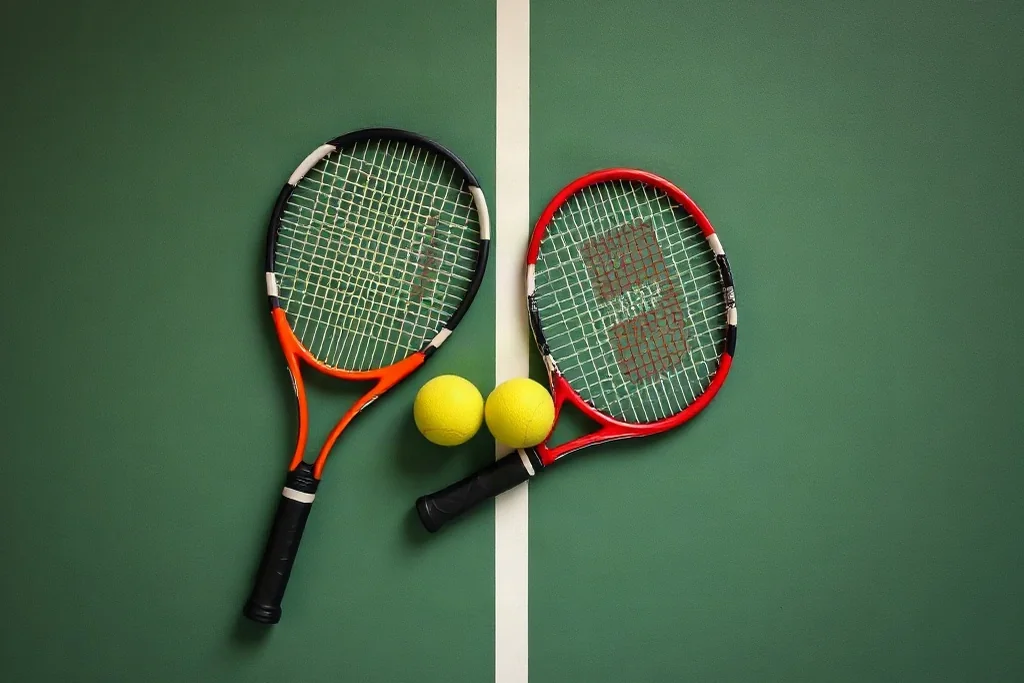
A squash racket is long and light, designed for reach and for whipping the ball with the wrist. A racketball racket is shorter with a larger head, which makes it easier to swing accurately and harder to mistime.
For a new adult player, the shorter racketball racket is usually the more approachable of the two. The compact swing is simple to learn, and consistency comes quickly rather than after weeks of missed hits.
Pace, rallies and physical demand
Squash is explosive. Rallies are short, the ball is hit hard and the demands are sudden bursts of speed followed by short rests. Racketball is steadier: points last longer, the pace is lower and the effort is more continuous.
Both are excellent fitness, but they suit different bodies and temperaments. A player who enjoys sharp, sprint-like intensity may prefer squash, while someone who wants a sustained aerobic session with less joint stress may find racketball more comfortable.
Skills that carry over
The good news for anyone torn between the two is that the core skills transfer almost completely. Length down the walls, width across the court, recovery to the T and a patient approach to rallying all matter in both games.
That overlap means a player can learn on one and compete in the other with little adjustment. Many club members simply pick whichever game their partner or their body prefers on a given evening, because the court and the movement are the same.
Which suits a beginner better
For a complete beginner with no racket-sport background, racketball is usually the friendlier start. The longer rallies let you learn the court and the rules at a pace you can actually follow, and the softer ball is kinder to the eyes and shoulders.
Squash is not off-limits for beginners, but it rewards a little more patience with the learning curve. Some players love the challenge of squash from day one; others prefer to build confidence in racketball first and then try squash once their movement has improved.
Playing both in one club
One of the pleasures of a club that offers both sports is the freedom to switch. A player can warm up with racketball, build fitness in a long rally, then test their sharper game in squash the following week without changing court, kit or club.
That flexibility also makes club nights more sociable, because players of different abilities and preferences can still share a court and a match. The menu of options tends to keep more adults playing regularly than a single-sport club can.
How to decide
If you are unsure, try both before committing. A single club night is usually enough to feel the difference: squash will feel fast and sharp, racketball slower and more forgiving. Whichever leaves you wanting another game is the right one to start with.
Remember that the choice is not permanent. Because the court and skills are shared, starting with racketball and moving to squash later — or playing both for years — is a completely normal path at club level.
Choosing between squash and racketball
A simple way to decide which game to start with:
- Choose racketball if you want a gentler first step with long rallies.
- Choose squash if you enjoy fast, explosive, short exchanges.
- Both share the court, the T and the tactics of length and width.
- Try both at a club night before you commit to either.
- You can switch or mix the two throughout your time at the club.
Squash and racketball side by side
The main differences at a glance for a new club player:
| Feature | Squash | Racketball |
|---|---|---|
| Ball | Small, hard, fast | Large, soft, slower |
| Racket | Long and light | Short handle, big head |
| Rally length | Short and explosive | Long and steady |
| Workout | Bursts with rests | Continuous, aerobic |
| Best start for | Confident movers | New adult beginners |
Start with the one that keeps you playing
There is no wrong answer between squash and racketball, only the game you will actually turn up for again and again. Racketball is the gentler introduction; squash is the sharper one. Since both live on the same court and share the same skills, the smartest move is to try both at a club night and follow the one that makes you want a rematch.
Read next
What is racketball? The easy-entry racket sport
How racketball works, why the softer ball makes it beginner-friendly and who it suits best.
Racketball equipment for adult beginners
Rackets, balls, eyewear and shoes: everything an adult needs before a first racketball session.
Simple racketball tactics that win club games
Length, patience and positioning — the tactics that decide most club-level racketball matches.