
Racketball equipment for adult beginners
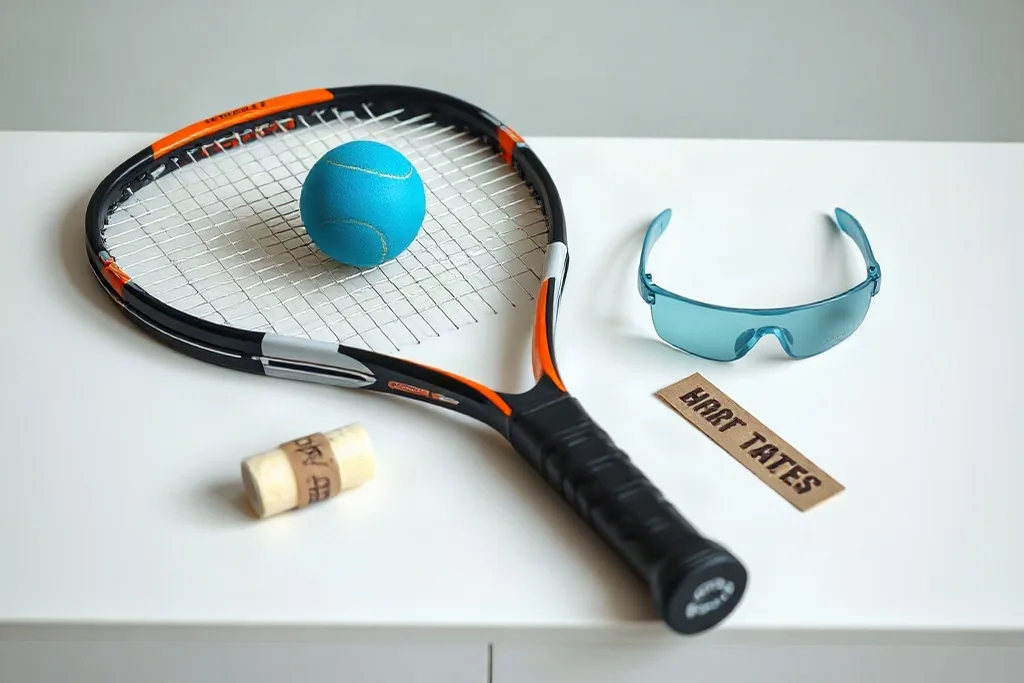
Racketball asks very little of your wallet, but the few items you choose still affect how comfortable and safe you feel on court. Getting the essentials right at the start means fewer distractions and more time enjoying the rallies.
This guide covers what an adult beginner actually needs — racket, ball, shoes and eyewear — and what can safely be borrowed from the club. It avoids brand names and prices that change, focusing instead on the features worth looking for.
The racketball racket
A racketball racket is shorter than a squash racket with a slightly larger head, and it is built to be easy to control. For a beginner, a light, evenly balanced racket with a comfortable grip is the right choice; there is no need to buy an expensive model before you have played a few sessions.
Most clubs keep spare rackets for new members, so borrowing one for the first few weeks is sensible. Once you know you will keep playing, choose a racket that feels natural in your hand rather than the heaviest or most expensive one on the shelf.
Choosing the right ball
Racketball balls vary in how lively they are, and beginners should always start with a livelier, bouncier ball. A ball that comes up off the floor gives more time to read the shot, which is exactly what a new player needs to learn the game.
Keep the ball warm between games by holding it in a pocket. A cold ball behaves like a dead one and makes rallies needlessly difficult, whereas a warm ball bounces predictably and rewards good shots.
Court shoes come first
As in squash, non-marking court shoes are the most important purchase. Outdoor shoes carry grit onto the court and their deep treads grip too hard, raising the risk of a turned ankle when you change direction. A proper court shoe is low, supportive and smooth-soled.
Clubs cannot lend shoes for hygiene reasons, so this is the first thing to buy. Choosing shoes before anything else also protects the courts, which is a courtesy every member benefits from.
Eyewear and safety
Because racketball involves a larger ball and a compact racket, the risk of a ball or frame reaching the eye is real, and lightweight sports eyewear is a sensible and increasingly common choice.
Modern sports glasses are light and rarely interfere with play, so there is little reason to skip them. Protecting your eyes is a small cost against the disruption of an eye injury that could keep you off court for weeks.
Grips and small accessories
A fresh grip is one of the cheapest upgrades in the sport. A smooth or wet grip lets the racket slide in the hand, costing control on every shot, so replacing it regularly keeps your game consistent.
A water bottle, a small towel and a bag to carry it all complete the kit. None of it is expensive, and having it ready makes turning up for a club night a matter of grabbing a bag rather than a last-minute search.
Mistakes to avoid with beginner kit
The usual beginner error is starting with equipment that belongs to a stronger player. A heavy racket and a slow competition ball make a new player work harder for worse results, so it is worth resisting the temptation to buy the most serious-looking gear on the shelf.
The second common mistake is skipping the grip and the shoes to save money. Both are cheap relative to the cost of an injury or a season of poor control, and both are the kind of small purchase an experienced club member will recommend first every time.
Looking after your kit between games
Racketball kit lasts much longer with basic care. Let a damp grip air dry instead of leaving it sealed in a bag, keep balls warm in a pocket so they stay lively, and allow court shoes to breathe rather than storing them in a tight holdall.
Fresh grips and dry shoes keep your game predictable from session to session. Replacing cheap items on time costs far less than working around a slippery grip or a worn-out shoe, and it is what experienced players do without thinking.
What to borrow and what to buy
The logical order for a new player is to borrow a racket and ball from the club, buy court shoes and eyewear, then add your own racket once you are playing regularly.
This keeps the initial outlay small and lets each purchase follow your actual experience. You will choose a better racket after a month of playing than you ever would before your first session.
Racketball kit checklist
Everything an adult beginner needs, in order of priority:
- Non-marking court shoes — buy first for safety and grip.
- Light, easy-to-control racket — borrow before you buy.
- A lively racketball that stays warm between games.
- Lightweight sports eyewear for eye protection.
- Spare grips, a water bottle and a small towel.
What to borrow versus buy
A simple guide to starting racketball without overspending:
| Item | Borrow or buy | Why |
|---|---|---|
| Racket | Borrow first | Try before you choose a weight |
| Ball | Borrow first | Clubs lend lively beginner balls |
| Court shoes | Buy | Hygiene and safety, not lendable |
| Eyewear | Buy | Personal fit and eye protection |
| Grip | Buy cheaply | Cheap upgrade, big difference |
Little kit, big benefit
Racketball is one of the cheapest racket sports to take up, provided you spend your money in the right order: shoes first, racket later, and everything in between borrowed or bought cheaply. With sensible kit sorted, the game itself is simple, sociable and genuinely good exercise for adults at any stage of fitness.
Read next
What is racketball? The easy-entry racket sport
How racketball works, why the softer ball makes it beginner-friendly and who it suits best.
Racketball vs squash: the real differences
Court, ball, racket and pace compared, and how to choose the right game for you.
Simple racketball tactics that win club games
Length, patience and positioning — the tactics that decide most club-level racketball matches.