
Internal leagues: how club league play works
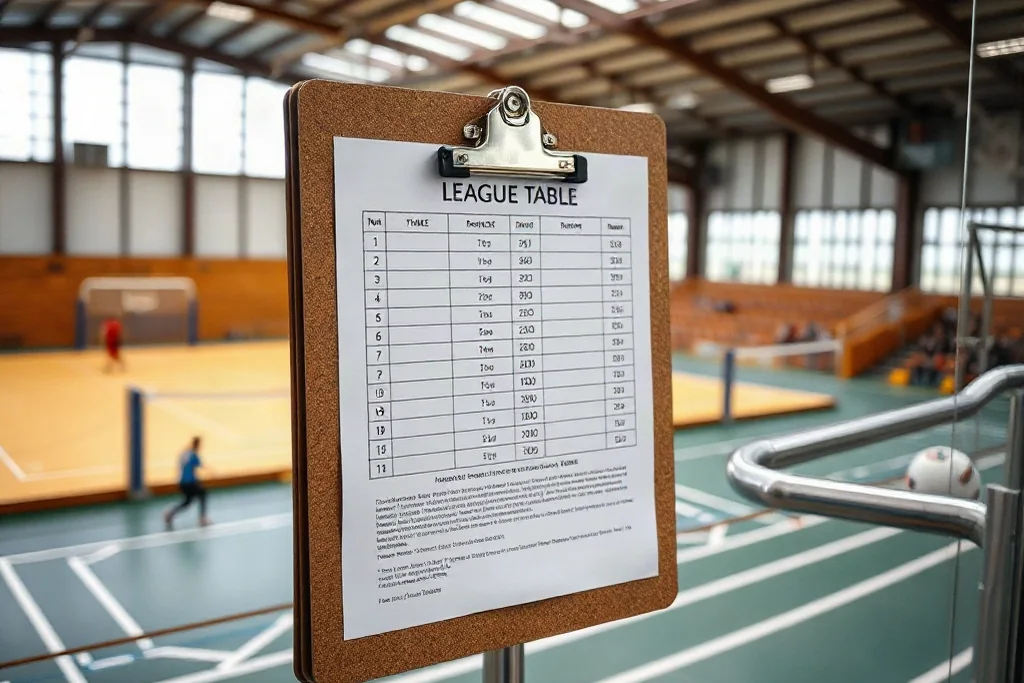
An internal league is the backbone of a well-run squash club. It gives every adult member a steady run of competitive matches against players of a similar standard, arranged at times that fit around real life rather than a fixed fixture list.
This article explains how graded internal leagues work, why they suit beginners and busy adults, and how getting the most out of a league is mostly about turning up. It is written for new members thinking about entering their first league.
What an internal league is
An internal league is a continuous club competition divided into small groups, usually of four to six players, graded by standard. Everyone in a group plays everyone else once, and the results decide who moves up or down at the end of the round.
Because the groups are small and graded, matches are usually close and winnable. That is the whole point: a good league gives players games against people at their own level rather than a string of one-sided results.
Graded groups keep matches fair
Grading is what makes a league work for everyone. Beginners play in the lower groups, stronger players in the higher ones, and the movement between groups each round keeps the standard honest.
Over a few rounds, players settle into the group that matches their level. A player who improves moves up naturally, and someone returning from a break drops to a group where the games are competitive again.
Arranging your own matches
The great advantage of a club league is flexibility. Instead of a fixed date, you contact your opponent and agree a time that suits you both, usually within a set window of a few weeks.
That independence is what makes league play realistic for adults with work and family commitments. You are not tied to a fixture list; you simply find a slot, book a court and play.
Why beginners benefit most
New players often feel nervous about league play, but a graded league is exactly where a beginner should start. The lower groups exist precisely so that newcomers play other newcomers in matches that are competitive rather than discouraging.
Playing regular matches against people at your level teaches more than endless friendly rallies. The pressure of a scored game sharpens concentration and quickly exposes the shots you need to work on.
How results and movement work
After each round, results are counted and the top player or players in each group move up to the group above, while the bottom players drop down. The exact numbers vary by club, but the principle is always the same.
This movement is what keeps the league alive. Without promotion and relegation the grading would drift, and players would end up stuck above or below their true level.
Keeping the league healthy
A league is only as good as the members who play it. The single most important habit is to actually arrange and play your matches within the round, rather than letting them pile up at the deadline.
If you cannot play a match, let your opponent know early so they can rearrange. A league works on goodwill, and a player who communicates clearly is valued as much as a player who wins.
Entering your first league
Entering is usually as simple as telling the organiser you would like to join and giving a rough idea of your standard. They will place you in a group that matches your level for the first round.
From there, your results decide where you go next. There is no penalty for starting low: if you are better than your group, you will move up quickly, and if you are adjusting, you will find the games competitive rather than brutal.
Fitting the league into real life
Because league matches are arranged between the two players, they fit around work, family and holidays far better than a fixed fixture list ever could. A busy month simply means playing your matches a little later in the window.
That flexibility is why the league survives in clubs where other competitions fade. It asks for commitment, but on terms that a working adult can actually meet, which keeps members playing instead of drifting away.
Why internal leagues work
The features that make a graded club league suit adult players:
- Small graded groups keep matches close and winnable.
- You arrange each match at a time that suits you both.
- Beginners start in a group that matches their level.
- Results move you up or down to keep the grading honest.
- The league runs continuously, so you can join any time.
How a league round works
A simple summary of a typical internal league cycle:
| Stage | What happens |
|---|---|
| Groups set | Players graded into small groups |
| Matches arranged | Players agree dates and book courts |
| Results recorded | Scores counted at the end of the round |
| Movement | Top players go up, bottom players go down |
| New round | Groups reset and play continues |
The heart of club squash
A graded internal league is the fairest and most flexible competition a club can run. It gives beginners a genuine start, busy adults a workable schedule and improving players a clear path upwards. If you want regular matches at your own level, entering the league is the most rewarding thing you can do at the club.
Read next
Arranging a league match that suits you both
How to contact an opponent, agree a time and keep a friendly league running smoothly.
Booking courts and casual play at the club
How casual bookings differ from league play and how to make the most of a spare evening.
Playing stronger opponents without losing your head
How to approach a match against a better player and still learn something useful from it.