
Arranging a league match that suits you both
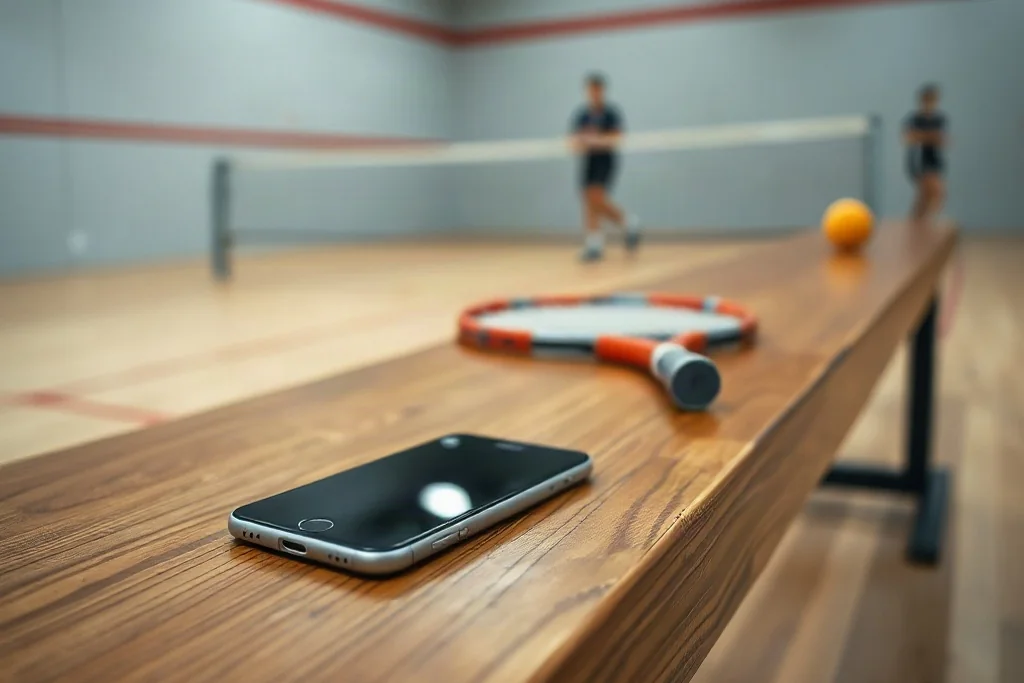
One of the best things about club league play is that you arrange your own matches. That freedom is also the one thing that trips up new members, because a little organisation is needed to make a league run smoothly for everyone.
This article explains how to contact an opponent, agree a sensible time and keep the match friendly from first message to final handshake. It is written for adults entering club league play for the first time.
Start with a clear message
The first step is a short, clear message to your opponent. Say who you are, which league match you would like to play and offer a couple of possible times rather than a vague request to play "sometime".
Offering specific options makes arranging easy. Most players will simply pick one of your suggestions or reply with an alternative, and the match is booked with very little back-and-forth.
Agreeing a time that works
League matches usually have to be played within a set window of a few weeks, so it helps to suggest times early rather than leaving it to the deadline. Evenings and weekends suit most working adults, and clubs are busiest at predictable hours.
If your first suggestions do not work, offer a few more rather than giving up. A flexible approach from both players is what keeps a busy league running, and it costs nothing to be the one who offers options.
Booking the court
Once you have agreed a time, make sure the court is actually available. Depending on the club, you may book through the leisure centre or through the club itself, so it is worth knowing the routine before your first match.
Booking early avoids the frustrating situation of agreeing a time only to find no court free. If something goes wrong with the booking, message your opponent straight away so they can plan around it.
On the night
Arrive a little early so you have time to warm up and start on the agreed hour. Being ready to play at the arranged time is a small courtesy that keeps matches running smoothly, especially when courts are in demand.
Agree the format before you start — best of three or best of five — and call the score aloud as you go. Clear agreement at the start prevents almost all the disputes that could otherwise spoil a friendly league match.
If you have to cancel
Sometimes life gets in the way. If you need to cancel, tell your opponent as early as you can and offer to rearrange, rather than simply not turning up or leaving it to the deadline.
A cancellation with plenty of notice is a minor inconvenience; a no-show is not. The league survives on goodwill, and the members who communicate well are the ones everyone is happy to play again.
Keeping it friendly
A league match is competitive, but it is still a club game between members who will meet again. Play hard, call the score honestly and accept close calls without argument, just as you would in any other club game.
The best matches are the ones both players enjoy regardless of the result. Being a good opponent is what makes your league enjoyable not just for you but for everyone who is drawn against you.
Recording the result
When the match is over, record the result as the club requires, whether on a board, a sheet or through the organiser. Accurate results are what keep the grading and movement system working fairly.
Do this promptly rather than leaving it until the deadline. A league depends on reliable results, and players who report scores on time make the organiser’s job easy and the league trustworthy.
Common mistakes to avoid
The usual problems in a club league are all organisational: leaving matches to the last minute, not booking a court, failing to confirm a time or forgetting to record the result.
Avoid those four and you will enjoy the league far more. Arranging a match is a two-minute task when done early, and a stressful scramble when left to the final days of the round.
Arranging a league match, step by step
A simple routine that keeps club league play running smoothly:
- Message your opponent early with a couple of specific times.
- Agree a date that sits comfortably inside the round window.
- Book the court as soon as the time is confirmed.
- Confirm the format and call the score aloud during play.
- Record the result promptly and be flexible if you must reschedule.
Keeping the league friendly
Good practice before, during and after a club league match:
| Stage | Good practice |
|---|---|
| First contact | Offer specific time options |
| Booking | Confirm the court before the day |
| On court | Agree format and call the score |
| If cancelling | Give notice and offer to rearrange |
| Afterwards | Record the result promptly |
A little organisation goes a long way
Arranging a league match is a small amount of effort with a large payoff: regular, competitive games against players at your own level. Message early, offer clear times, book the court and turn up ready. Do those simple things and your league will run itself, match after match.
Read next
Internal leagues: how club league play works
How graded internal leagues give every adult a fair, regular and winnable run of matches.
Booking courts and casual play at the club
How casual bookings differ from league play and how to make the most of a spare evening.
Playing stronger opponents without losing your head
How to approach a match against a better player and still learn something useful from it.