
Booking courts and casual play at the club
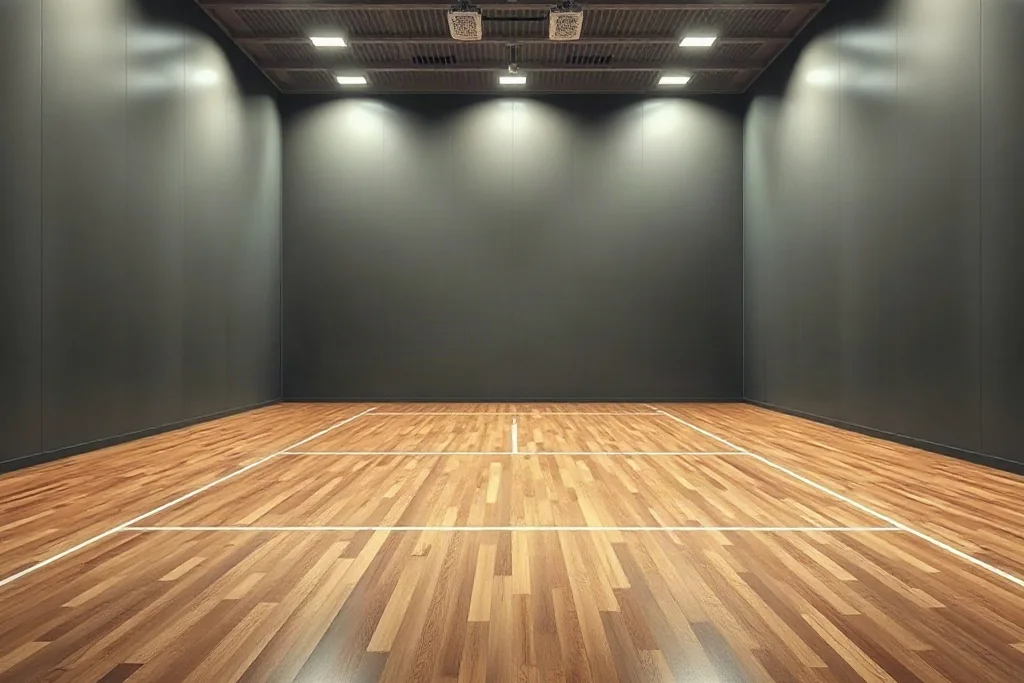
Not every session has to be a league match. Casual court bookings are how members play a spontaneous game, try something new or simply get on court when they feel like it. For many adults they are the most relaxed way to enjoy squash and racketball.
This article explains how casual play differs from league matches, how to get the most out of a spare evening and why casual bookings are a useful complement to organised club sessions. It is written for members at any level.
What casual play means
A casual booking is simply a court booked for a friendly game rather than a scored league match. There is no result to record and no opponent assigned — you play with whoever you have arranged to meet, at whatever pace you both fancy.
That freedom makes casual play ideal for practising, for trying racketball as well as squash, or simply for enjoying a game without the pressure of a competitive fixture.
How it differs from league play
In a league match the format is agreed, the score is recorded and the result matters to the grading. In a casual game none of that applies, so you can stop early, change partners or focus entirely on one shot you are trying to improve.
Both have value. League play sharpens you under pressure, while casual play is where you experiment freely. The two together give a rounded club experience and keep the sport enjoyable rather than relentless.
Getting a partner
The main thing to sort out for casual play is a partner. Most members find one through club nights, from league matches or by asking around the club after a session.
Once you have played a few club nights or league matches, you will know several people at your level who are happy to play casually. A quick message is usually all it takes to set up a game later in the week.
Making the most of a booking
A casual booking is a good chance to work on something specific. Decide before you play what you want to improve — length, the drop shot, your movement to the T — and give that element a little extra attention during the session.
You can also use a casual game to mix things up: play a racketball match one week, focus on solo drills the next, or simply enjoy a long social rally. The lack of a scoreline is exactly what lets you experiment.
Using courts at quiet times
Casual play is often easiest at quieter times, when courts are free and the club is calm. Off-peak evenings and weekend mornings tend to be less busy than the peak hours after work.
Playing at a quiet time also makes solo practice easier, since you can hit against the wall without worrying about holding a court others are waiting for. Many members use these sessions to warm up before the club night begins.
Casual play and fitness
A relaxed friendly game is still excellent exercise. Because there is no score to chase, casual rallies often run long, which is ideal for building stamina and touch without the stop-start intensity of a competitive match.
For adults returning to the sport, casual play is often the gentlest way back in. You can play short sessions, build up gradually and enjoy the game at a pace your body can handle.
How casual fits with the club
Casual bookings and organised sessions support each other. Club nights and leagues give you partners and regular games, while casual bookings let you play on your own terms whenever you want.
A healthy club has both. Members who mix the two tend to play more often, improve faster and enjoy the sport for longer, because they are never dependent on a single format to get on court.
A simple way to play more
If you want to play more squash and racketball without adding any commitment, casual bookings are the answer. Grab a partner, pick a quiet time and book a court for an hour of relaxed play.
Over a season, a regular casual game alongside a club night and a league match is enough to keep you fit, sharp and connected to the club — without any of it feeling like an obligation.
Getting started with casual play
The simple steps to playing squash or racketball on your own terms:
- Find a partner through club nights or league matches.
- Book a court for a friendly game at a time that suits you.
- Decide before you play which shot or skill to work on.
- Use quieter hours for relaxed rallies and solo practice.
- Combine casual games with club nights for the best balance.
Casual play versus league play
How the two ways of playing differ at club level:
| Feature | Casual | League |
|---|---|---|
| Opponent | You choose | Assigned by the league |
| Score recorded | No | Yes |
| Format | Whatever you agree | Agreed before play |
| Best for | Practice and fun | Competitive pressure |
| Timing | When you book | Within a round window |
Play more, on your own terms
Casual court bookings are the simplest way to add more squash and racketball to your week. No fixtures, no score to record, no pressure — just a court, a partner and an hour of play. Combined with club nights and league matches, casual games are what make a club membership feel relaxed and worth keeping.
Read next
Internal leagues: how club league play works
How graded internal leagues give every adult a fair, regular and winnable run of matches.
Arranging a league match that suits you both
How to contact an opponent, agree a time and keep a friendly league running smoothly.
Playing stronger opponents without losing your head
How to approach a match against a better player and still learn something useful from it.