
Squash equipment: rackets, balls and court shoes
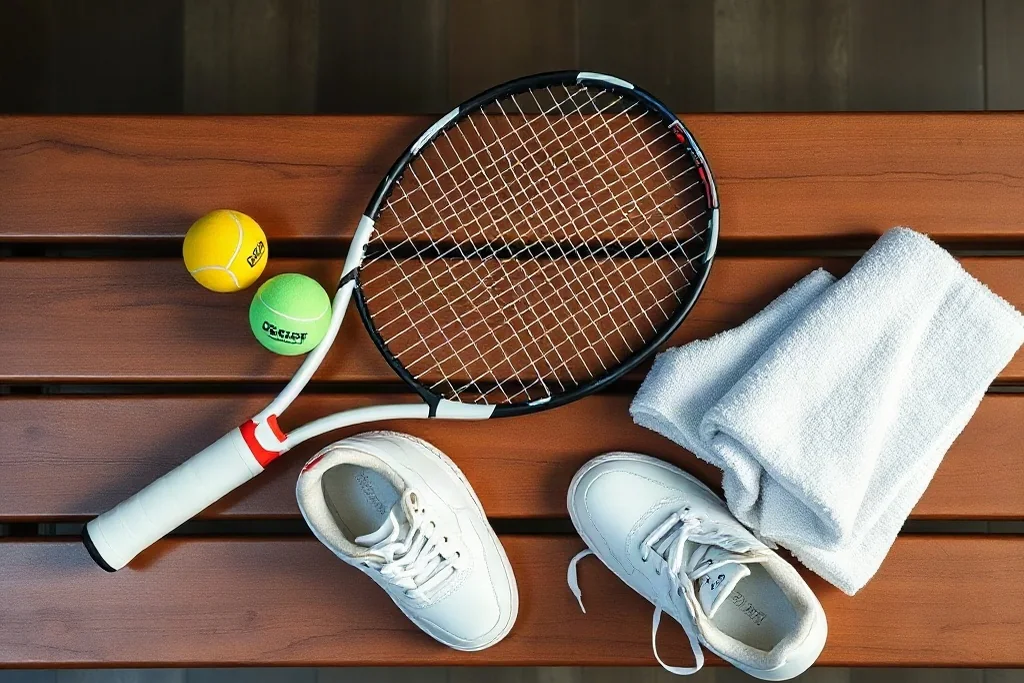
Squash needs less equipment than almost any sport, but the few choices you make — racket, ball and especially shoes — shape how quickly you improve and how comfortable the game feels. Getting them right at the start is far cheaper than replacing the wrong gear a season later.
This guide walks through what a new adult player actually needs, what can be borrowed from the club and where it is worth spending a little more. It is aimed at beginners rather than experts, and it avoids brand names and prices that change from week to week.
Choosing a first racket
A beginner racket should be light, evenly balanced and forgiving. Heavier, head-light rackets are used by strong players who generate their own power, but the extra weight tires the arm of a newcomer and makes timing harder to learn.
Look for a racket with a generous sweet spot and a comfortable grip. Many clubs keep a few spare rackets for new members, so borrow one for your first few sessions and buy only once you know you will keep playing.
Understanding squash balls
Squash balls come in colour-coded grades based on how fast they bounce. A blue beginner ball is the liveliest and easiest to keep in play, while a yellow double-dot ball used at elite level is slow and demands a warm court and strong technique.
New adult players do themselves a favour by starting with a livelier ball rather than a dead one. A ball that comes up off the floor gives more time to read the shot, and more time means faster learning and longer, more enjoyable rallies.
Court shoes are the most important buy
Non-marking court shoes are the one piece of kit worth buying first. Outdoor running shoes carry grit that marks the court, and their thick treads grip too well, which raises the risk of an ankle turning when you change direction quickly.
A proper court shoe is low to the ground, supports the ankle and grips a smooth floor without marking it. This is not just etiquette — it is the single change that most reduces injury risk for a new adult player.
Grips, eyewear and small extras
A fresh grip on the racket makes a surprising difference because a sliding hand cannot control the ball. Grips are cheap, easy to replace and worth renewing whenever the old one feels smooth or wet during play.
Protective eyewear is common in racketball and increasingly seen in squash, where a stray ball or racket can reach the face. If you value your time on court without a break for injury, a pair of lightweight sports glasses is a small and sensible addition.
What you can borrow and what to buy
Most clubs lend rackets and balls to new members, so a first session often costs nothing but the court fee. Shoes are the item clubs cannot lend for hygiene reasons, so that is the first thing to sort out before you play.
A sensible order is to borrow a racket and a ball, buy court shoes, then add a racket and a tube of balls once you are playing regularly. This spreads the cost and lets your choices follow your actual game rather than a guess made before your first rally.
Common equipment mistakes beginners make
The most common error is buying a heavy, head-light racket before learning to time the ball. It feels impressive in the shop but tires the arm quickly and punishes the slightly late swing that every beginner makes, so it usually slows progress rather than speeding it up.
A second mistake is playing in outdoor shoes, which not only mark the court but grip too hard for safe movement. Both problems are avoidable with a little advice from an experienced member before you spend any money.
Caring for your kit
Squash kit lasts far longer with a little care. Let a damp grip dry before storing the racket, keep balls in a warm pocket between games so they stay lively, and allow court shoes to air rather than leaving them in a sealed bag.
Replacing a grip and a worn pair of shoes on time costs far less than treating an injury, and it keeps your equipment predictable match after match. Small habits like these are what experienced club players do without thinking.
Beginner kit checklist
Everything a new adult player needs, in the order it is worth buying:
- Court shoes with non-marking soles — buy these first.
- A light, evenly balanced racket — borrow first, buy later.
- A lively beginner ball rather than a slow advanced one.
- A fresh grip for the racket, replaced when it feels smooth.
- Optional: lightweight protective sports eyewear.
Squash ball grades explained
A simple guide to choosing the right ball for your level:
| Ball | Speed | Suits |
|---|---|---|
| Blue dot | Lively and bouncy | Complete beginners |
| Single yellow | Medium | Improving club players |
| Yellow dot | Slow, competition | Experienced club players |
| Double yellow | Very slow | Elite and warmed courts |
Buy shoes first, then racket
Good equipment does not make you a player, but the wrong equipment makes learning harder than it needs to be. Buy court shoes first, borrow a racket, and choose a lively beginner ball. With those three things settled, the only remaining ingredient is regular time on court — and that is where the real improvement happens.
Read next
What is squash? A beginner’s guide to the game
What squash is, how a match is played and why it is one of the best indoor workouts for adults.
Squash rules and scoring explained simply
Points, games, the serve and the calls you hear on court — the rules a new player really needs.
The main squash shots and when to play them
Drive, drop, boast and volley: the core shots and the simple tactics behind each one.