
Why racketball is growing in UK sports clubs
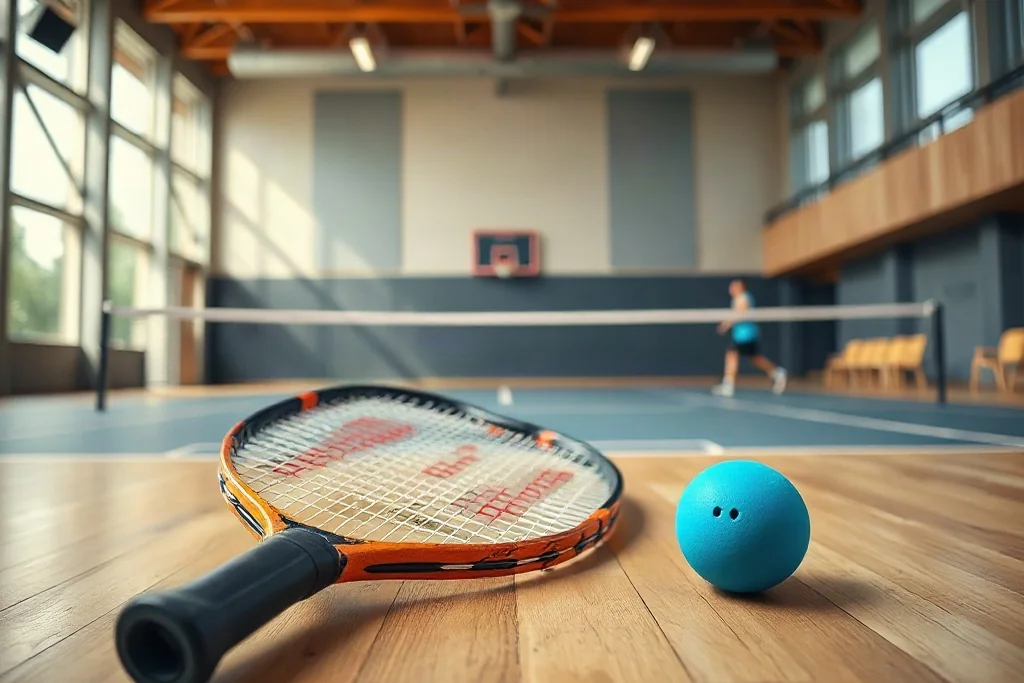
Over the past few years racketball has grown steadily in British sports clubs, often faster than squash itself. More adults are picking up the softer ball, and clubs are adding racketball nights to meet the demand.
This article looks at why racketball is attracting so many new adult players and what that growth means for anyone thinking of taking up a racket sport. It is written for club members and newcomers alike.
An easier ball draws people in
The central reason for racketball’s growth is simple: the ball. Because it is larger and softer, it bounces lower off the front wall and stays in the air longer, giving players far more time to read and return each shot.
For adults with no racket-sport background, that extra time is the difference between a frustrating first session and an enjoyable one. A beginner can play real rallies almost immediately, which is exactly what keeps people coming back.
Lower impact, friendlier to joints
Racketball is kinder to the body than most racket sports. The longer, steadier rallies mean less explosive movement, and the lower pace puts less stress on knees, ankles and shoulders.
That makes it attractive to older players, to people returning to sport and to anyone managing a long-standing niggle. It offers genuine fitness without the joint pounding that can end a playing career early.
A genuine workout, not a soft option
Some newcomers assume racketball is a gentle version of squash, but the longer rallies make it an excellent aerobic workout. Because points last longer, players spend more continuous time moving.
That combination — real fitness with lower impact — explains much of its appeal. Racketball delivers the health benefits of squash in a format that a wider range of adults can sustain week after week.
Short rackets help beginners
The shorter racketball racket with its larger head is easier to control than a long squash racket. For a beginner, that means accurate shots come sooner and the early frustration of mistiming is reduced.
The compact swing also suits players who find the full squash swing awkward. Together with the softer ball, it lowers the barrier to entry in a way that has clearly resonated with adult newcomers.
The same court, the same club
Racketball needs no new courts, which matters for clubs. It is played on the same four-walled court as squash, with the same T position and much the same tactics of length and width.
That means a club can offer both sports with no extra facilities. Members book one court and choose their game on the night, and a racketball player can try squash with no more than a change of ball and racket.
Clubs are responding
Clubs have noticed the demand and many now run dedicated racketball nights, leagues and social sessions alongside their squash programmes. Some have found racketball brings in members who would never have taken up squash alone.
That is a healthy development for clubs looking to broaden their membership. Offering both sports makes the club relevant to more adults and keeps courts busier, which helps the whole club thrive.
A strong entry point to all racket sports
For many players, racketball is not a destination but a starting point. It builds confidence, fitness and court sense, and those transfer directly to squash if the player wants a sharper game later.
That makes racketball a valuable recruiting route into racket sports generally. A player who begins with the softer ball often ends up loving the sport enough to try squash — and sometimes to prefer it.
What it means for a new player
If you have been curious about squash but worried it would be too fast, racketball is the answer. It gives you a real racket sport with a gentler learning curve and a friendlier first session.
Given a club night and a borrowed racket, most adults discover within an evening that racketball is accessible, sociable and genuinely good exercise. It is easy to see why so many are choosing it as their way into the sport.
Why racketball is attracting adults
The reasons behind the sport’s steady growth in UK clubs:
- A softer ball with longer, more forgiving rallies.
- Lower joint impact, kinder to older and returning players.
- A real aerobic workout despite the gentler pace.
- Shorter rackets that are easier for beginners to control.
- The same courts and tactics as squash, so clubs can offer both.
Why racketball suits more adults
The features that are drawing new players to the sport:
| Feature | Benefit |
|---|---|
| Softer ball | More time to learn and enjoy rallies |
| Lower impact | Friendlier to joints and older players |
| Shorter racket | Easier control for beginners |
| Shared court | Clubs can offer it alongside squash |
| Strong fitness | Real workout at a sustainable pace |
A sport on the up for good reason
Racketball is growing because it removes the barriers that keep adults away from racket sports. The softer ball, lower impact and easier handling make it genuinely accessible, while the longer rallies keep it a real workout. For a club, it means more members and busier courts; for a new player, it means a friendlier way into the game.
Read next
Getting back into squash as an adult
A realistic plan for returning to squash after a long break, without burning out in week one.
Five simple habits that improve your club play
Small, repeatable habits that raise the level of an everyday club player over a season.
Why adults make great squash beginners
Patience, discipline and self-awareness make adults excellent learners of squash and racketball.