
Why adults make great squash beginners
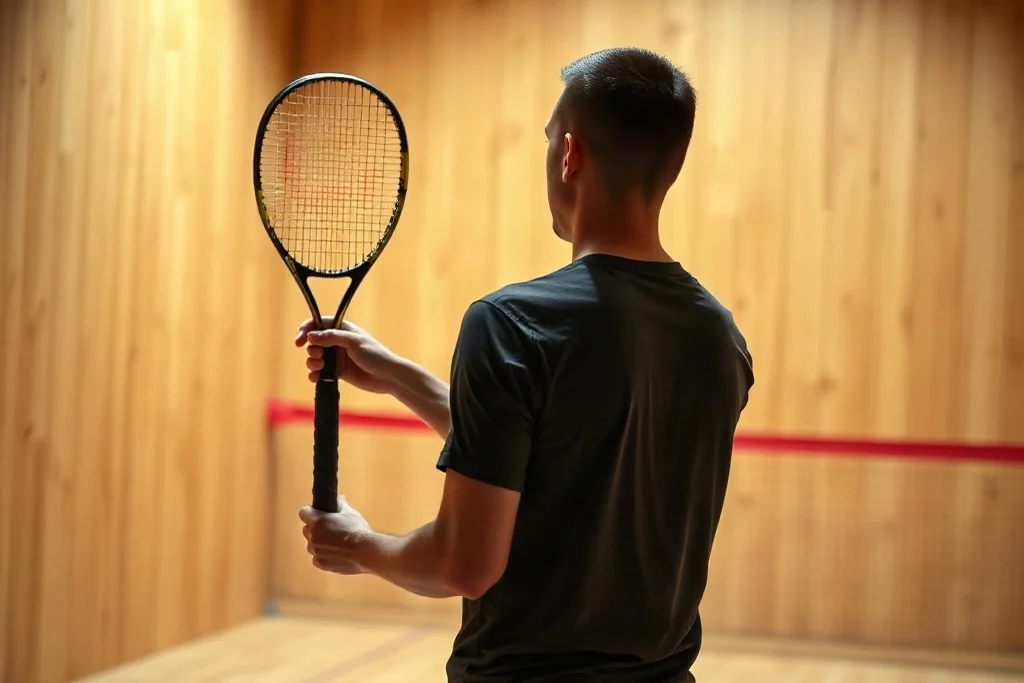
There is a stubborn idea that racket sports are for the young and that starting as an adult is a disadvantage. In reality, adults often learn squash and racketball faster and more enjoyably than teenagers, for reasons that have nothing to do with athleticism.
This article explains why adults make excellent beginners in squash and racketball and what that means if you have been putting off giving the sport a try. It is written for any adult still on the fence about picking up a racket.
Patience is a learning advantage
Adults are usually far more patient than younger beginners. Where a teenager may try to win every point immediately, an adult is content to learn the basics properly and build from there.
That patience is exactly what squash and racketball reward. The sport is built on fundamentals — movement, length, consistency — and a beginner willing to practise them steadily progresses impressively fast.
Deliberate practice beats raw talent
Adults tend to practise deliberately: they notice what is not working and focus on fixing it. That is the fastest kind of learning, and it matters more than natural speed or reflexes.
Because squash and racketball are skill sports, deliberate practice quickly closes the gap on younger but less thoughtful players. An adult who practises length and positioning with intent will surprise people within weeks.
You understand your own body
Adults know their limits. They warm up, pace their sessions and stop when something hurts, which means they avoid the injuries that derail so many enthusiastic young beginners.
That self-awareness keeps an adult playing consistently, and consistency is what drives improvement. A player who stays on court week after week will always out-progress one who is repeatedly sidelined.
Racketball makes starting easy
For adults new to racket sports, racketball is an especially kind introduction. The softer ball and longer rallies mean a beginner can play real points quickly rather than struggling to make contact.
That early success is powerful. It keeps motivation high through the awkward first sessions and lets an adult build confidence before moving on to the sharper challenge of squash if they choose.
Clubs are built for all levels
A good adult club is deliberately structured to welcome beginners. Graded internal leagues, club nights and friendly members all mean a newcomer is never thrown in at the deep end.
That structure removes the fear of being the worst player on court. In a club setting, adults learn alongside people at their own level, which is by far the best environment for a beginner of any age.
There is no age limit on starting
Players start squash and racketball in their thirties, forties, fifties and beyond, and they enjoy it. Because racketball in particular is low-impact, the sport stays accessible far longer than most.
The only real barrier is the belief that it is too late to start. Once an adult gets on court, that belief usually disappears within the first session, replaced by surprise at how accessible the game actually is.
What adults bring to the club
Adults do not just benefit from the club; they strengthen it. They bring maturity, reliability and a commitment to turning up, all of which keep a voluntary club healthy.
They also tend to become the members who help run club nights, support the leagues and welcome the next newcomer. In that way, every adult beginner adds as much to a club as the club adds to them.
Take the first step
If you have been meaning to try squash or racketball, the evidence says you are well placed to start. Adults learn the game quickly, enjoy it more and stick with it longer than most people expect.
All it takes is a first session. A club night, a borrowed racket and an hour of gentle rallies are enough to find out whether the sport is for you — and for most adults, the answer is a pleasant yes.
Why adults start well
The advantages adult beginners bring to squash and racketball:
- Patience to learn the fundamentals properly.
- Deliberate practice that closes skill gaps fast.
- Self-awareness that keeps them injury-free and consistent.
- Racketball as an especially gentle way to begin.
- A club structure that welcomes all levels.
Adult beginners compared with young ones
The qualities that help adults learn racket sports well:
| Quality | Why it helps |
|---|---|
| Patience | Builds fundamentals before results |
| Deliberate practice | Fast, focused improvement |
| Body awareness | Fewer injuries, more consistency |
| Reliability | Regular play drives progress |
| Maturity | Strengthens the club community |
It is not too late to start
Adults make great beginners because they bring the patience, discipline and self-awareness that racket sports reward. Start with a club night, try racketball if you want the gentlest introduction, and let a structured club support you. The only thing that makes starting hard is waiting — and most adults discover the sport is far more accessible than they feared.
Read next
Getting back into squash as an adult
A realistic plan for returning to squash after a long break, without burning out in week one.
Why racketball is growing in UK sports clubs
The softer ball and shorter racket are drawing more adults into racket sports than ever.
Five simple habits that improve your club play
Small, repeatable habits that raise the level of an everyday club player over a season.