
Court etiquette and safety in an adult club
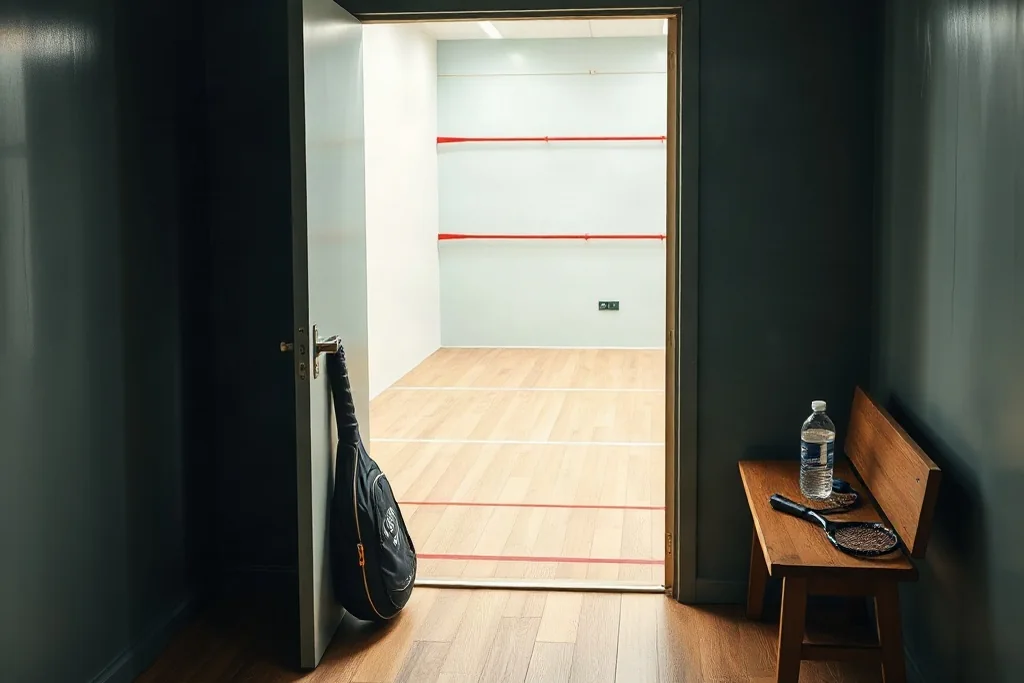
Squash and racketball are played in a small space that two people share, which makes good etiquette and safe habits far more important than they might seem from watching. A few simple rules keep everyone on court happy and uninjured.
This article covers the manners and the safety habits that experienced club players take for granted. It is written for newer members so that nobody has to learn these things the awkward way during a match.
Give your opponent room
The most important rule in the sport is to give your opponent a clear path to the ball and space to play it. If you are in the way, stop, call a let and reset the rally rather than risk a collision.
This applies even when you are winning. A point won by blocking is not a point worth having, and a collision in a confined court can cause a serious injury to either player.
Call your shots and your lets
Call clearly before you swing so your opponent knows a shot is coming, and call a let the moment you are blocked rather than swinging through your opponent. Clear, early calls prevent almost every accident and every argument.
If you are unsure whether to play a ball, it is always safer to stop and ask for a let. No club match is worth a racket in the face, and every reasonable opponent will respect a cautious call.
Do not turn on the ball
Turning — spinning round to play a ball you have already passed — is against the rules and dangerous, because you cannot see what is behind you. If you find yourself turned, stop the rally and replay the point as a let.
Learning to move back towards the middle instead of turning is both safer and better for your game. It keeps you facing the action and ready for the next shot rather than tangled in the wall.
Care for the court and the club
Non-marking court shoes are not just a safety measure; they protect the floor that everyone plays on. Scuff marks and grit from outdoor shoes damage the surface and cost the club money to maintain.
Small courtesies matter too: do not slam doors, keep drinks off the court floor, and put your rubbish in the bin. A tidy club is a sign of members who value the place they play in.
Sharing courts with other players
At a busy club, neighbouring courts are in use at the same time, so keep noise and stray balls to a minimum. Knock and wait before entering a court that is in use, and return a ball that rolls into another court politely.
Respecting the players around you is part of what makes a club pleasant to belong to. A noisy or careless player spoils the evening for everyone, while a considerate one is a pleasure to play beside.
Warming up and pacing yourself
Etiquette extends to looking after yourself. A short warm-up before your first game reduces the risk of a muscle strain, and pacing the first rallies helps you settle into the match rather than burning out early.
If you feel a twinge, stop and rest rather than pushing through. Playing on through pain rarely ends well and can turn a minor strain into a long absence from the court.
Being a good opponent
Good sportsmanship is simple: call the score honestly, accept close calls without argument and shake hands at the end regardless of the result. Squash and racketball are games you play repeatedly with the same people, so your reputation as an opponent matters.
The best club players are not only skilled but pleasant to play against. Being fair, calm and generous with calls makes other members want to play you again, which is how a club community is built.
Helping new members
If you are an experienced member, one of the most valuable things you can do is help newcomers feel welcome. Explaining the calls, offering a game and sharing a court with a beginner keeps the club growing and healthy.
Every member was once new. Passing on the habits described here — safety, fairness and courtesy — is how a club maintains its character year after year and stays a place adults want to return to.
Court etiquette and safety essentials
The habits that keep club play safe and enjoyable:
- Always give your opponent room and space to play the ball.
- Call your intent before swinging and call a let when blocked.
- Never turn on the ball — stop the rally and replay it.
- Wear non-marking court shoes and keep the court tidy.
- Call the score honestly and shake hands at the end.
Etiquette in practice
What good court behaviour looks like in common situations:
| Situation | What to do |
|---|---|
| You are blocked | Stop and call a let |
| You are about to swing | Call loudly before you play |
| Ball rolls onto another court | Wait, then return it politely |
| You feel a twinge | Stop and rest, do not push on |
| Match ends | Acknowledge your opponent, win or lose |
Safety and courtesy come first
Good etiquette is not about being formal; it is about keeping two people safe in a small space and making the club a pleasant place to play. Give room, call clearly, never turn and look after yourself. Do those things and you will be welcomed as the kind of member every club wants.
Read next
Club nights: how an evening at the club works
What happens at a club night, who turns up and why it is the best way to start playing regularly.
How to join an adult squash and racketball club
What joining involves, what to expect on a first visit and how memberships usually work.
The social side of squash and racketball
Why the club night, the league chat and the after-match talk matter as much as the sport.